Finding the right sunscreen for oily and acne-prone skin can feel like a challenge. You want reliable sun protection, but the last thing you need is a formula that leaves your face shiny, feels sticky, or becomes uncomfortable throughout the day.
The best sunscreen for oily and acne prone skin means a product that protects against sunlight while feeling comfortable on skin that produces excess oil and develops breakouts
Start with broad-spectrum SPF 30 or higher, a lightweight texture, and labeling
EltaMD UV Clear is a reasonable everyday starting point, while a matte, water-resistant formula may better suit sweaty days
In this guide, we compare six sunscreen options available in the US, explain what their product labels tell us, and help you choose a formula based on your skin concerns.
Whether you’re dealing with excess shine, frequent breakouts, sensitive skin, or lingering acne marks, you’ll find practical advice to make sunscreen part of your everyday routine.
Quick Answer: Which Sunscreen Is Best for Oily and Acne-Prone Skin?
Choose EltaMD UV Clear SPF 46 for a balanced daily option, La Roche-Posay Clear Skin SPF 60 for shine control, or CeraVe Ultra-Light SPF 30 for affordability
Sensitive skin may prefer Vanicream, while Colorescience Flex adds tint for uneven skin tone. Ensures the product is specially formulated not to block or clog pores.
The best choice is one you tolerate and apply generously, with water resistance when needed your skin. Absorbs quickly into the skin compared to heavy, rich creams.
| Product | SPF | Texture | Finish | Ideal concern | Availability |
| EltaMD UV Clear | 46 | Lotion | Natural | Acne-prone skin | USA listed |
| La Roche-Posay Clear Skin | 60 | Dry-touch lotion | Matte | Excess shine | USA listed |
| CeraVe Ultra-Light | 30 | Lightweight lotion | Matte | Budget, hydration | USA listed |
| Vanicream Facial Moisturizer | 30 | Moisturizing cream | Moisturized | Sensitive skin | USA listed |
| Colorescience Flex | 50 | Tinted fluid | Demi-matte | Dark spots | USA listed |
| Neutrogena Clear Face | 50 | Liquid lotion | Matte | Sweaty weather | USA listed |
Best Sunscreens for Oily and Acne-Prone Skin in 2026

Best Overall Sunscreen for Acne-Prone Skin
EltaMD UV Clear Broad-Spectrum SPF 46 combines zinc oxide 9% and octinoxate 7.5%, making it a hybrid sunscreen
Its oil-free lotion contains niacinamide and suits readers wanting hydration without rich balms that protect against UV rays without clogging pores or triggering breakout.
Pros: lightweight daily sunscreen, fragrance-free formula
Cons: premium positioning, no water-resistance claim on the reviewed label
White cast, eye stinging, and pilling were not independently tested for this guide
Best Matte Sunscreen for Very Oily Skin
La Roche-Posay Anthelios Clear Skin SPF 60 offers broad-spectrum protection using avobenzone, homosalate, octisalate, and octocrylene. Features oil-absorbing technology to control shine in the T-zone throughout the day, combined with antioxidant-rich thermal spring water.
Silica and oil-absorbing powders support its dry-touch finish
Pros: oil-free chemical sunscreen, 80-minute water resistance
Cons: the manufacturer acknowledges possible white residue and pilling in customer responses, despite broader invisible-finish claims
Eye-stinging performance was not independently established
Best Affordable Sunscreen for Daily Use
CeraVe Ultra-Light Moisturizing Lotion SPF 30 provides broad-spectrum protection through avobenzone, homosalate, octisalate, and octocrylene.
Its matte moisturizing formula includes ceramides and hyaluronic acid and oil-free, facial moisturizer and chemical sunscreen designed primarily for normal to oily skin.
Pros: moisturizer and sunscreen together, official US listing at $19.99 when checked
Cons: choose another product for swimming or sweating
This review has no independent white-cast, eye-stinging, or pilling results
Best Mineral Sunscreen for Sensitive, Acne-Prone Skin
Vanicream Facial Moisturizer SPF 30 uses zinc oxide 19.5% for broad-spectrum protection and 2-in-1 lightweight mineral moisturizer and sunscreen designed for sensitive skin.
Its fragrance-free, ceramide-containing formula prioritizes skin comfort over strong mattifying effects
Pros: non-comedogenic mineral sunscreen for sensitive skin
Cons: the manufacturer acknowledges possible white cast, and its webpage has conflicting water-resistance instructions — check your bottle
Eye-stinging and pilling results were not independently verified
Best Tinted Sunscreen for Acne Marks and Dark Spots
Colorescience Face Shield Flex SPF 50 combines zinc oxide 12% with iron oxides in a demi-matte, tinted mineral sunscreen and a 100% mineral, tinted sunscreen and light foundation hybrid powered by EnviroScreen Technology.
Pros: broad-spectrum protection, PA++++, 40-minute water resistance, and pigment coverage
Cons: shade matching matters, and coverage may feel heavier than an untinted fluid
The tint can reduce a chalky appearance, but universal shade compatibility, eye comfort, and pilling were not independently tested. Free of parabens, sulfates, phthalates, oils, dyes, and fragrance.
Best Lightweight Sunscreen for Hot and Humid Weather
Neutrogena Clear Face SPF 50 uses avobenzone, homosalate, octisalate, and octocrylene for UVA and UVB protection and a oil-free, fragrance-free, and facial sunscreen designed specifically for oily and acne-prone skin.
The brand describes a water-light, matte lotion
Pros: fragrance-free, oil-free, 80-minute water resistance
Cons: keep it out of eyes, as its label directs
Independent testing was unavailable for white cast, eye stinging, or pilling, so “breakout-free” marketing cannot predict individual tolerance. Water-light, weightless liquid-lotion that dries to a breathable matte finish without a heavy or greasy feel.
What Should You Look for in Sunscreen for Oily Skin?
Broad-Spectrum SPF 30 or Higher
SPF 30+ and broad-spectrum labeling are the starting points in AAD sunscreen guidance is the standard recommendation from dermatologists for daily skin protection against sunburn, premature aging, and skin cancer. Protects against both UVA rays (which cause aging and pigmentation) and UVB rays (which cause sunburns).
Non-Comedogenic and Oil-Free Formulas
These claims help narrow sunscreen selection, but neither guarantees freedom from clogged pores are designed not to clog pores, while oil-free formulas contain no added oils, making both ideal for oily, combination, and acne-prone skin types.
Lightweight, Non-Greasy Texture
Choose sunscreen comfort at the full application amount, not a tiny sample and refers to a fast-absorbing, water-based or gel-like formula that sinks into the skin or hair without leaving a heavy, oily, or sticky film behind.
Matte Finish vs Natural Finish
Matte reduces surface shine finish provides a shine-free, velvety, and smooth look that absorbs light, while a natural natural finishes may feel better on dehydrated skin comfortably between matte and dewy to mimic a true, skin-like appearance with a subtle, healthy balance.
Water Resistance for Sweat and Outdoor Activities
FDA guidance explains water-resistance labeling
Check 40 minutes or 80 minutes on the label — “waterproof” and “sweatproof” are misleading promises. Water-resistant and waterproof ratings mean very different things for outdoor gear, apparel, and sunscreen during sweat and heavy activity.
Sunscreen label checklist
Broad-spectrum protection → SPF 30+ → suitable texture → water-resistance rating → expiration date
Choosing the Best Sunscreen for Oily and Acne Prone Skin
Start with your biggest difficulty: surface oiliness, skin sensitivity, post-acne discoloration, or treatment-related irritation
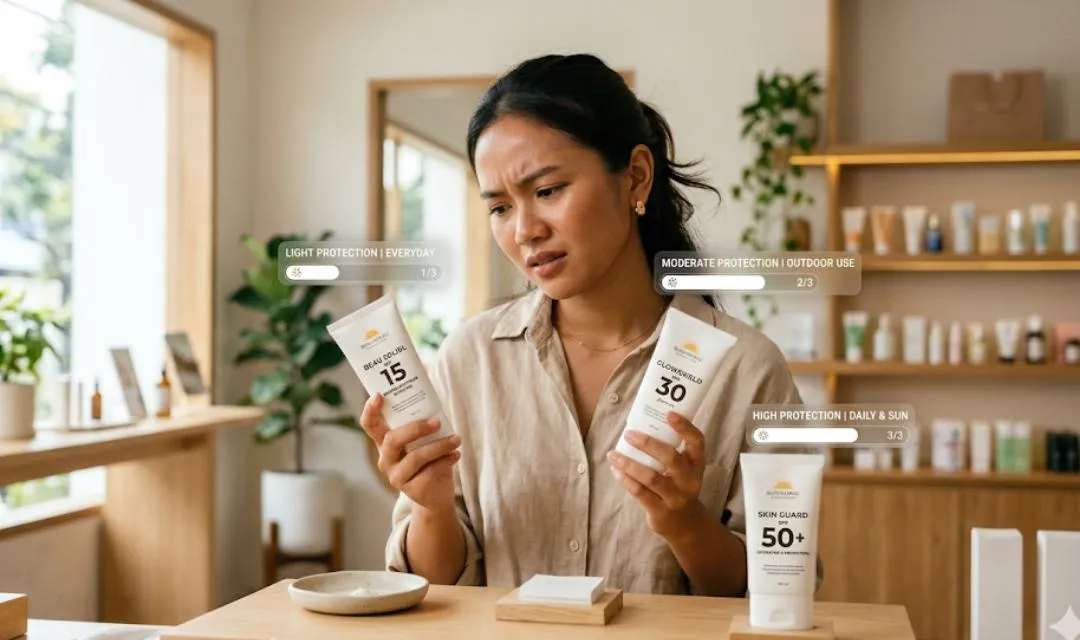
Choosing the right sunscreen for oily and acne-prone skin comes down to lightweight, introduce it gradually, breathable formulas that protect against UV rays without clogging pores or adding extra shine and buying several products.
For your own wear check, record midday shine, stinging, makeup compatibility, and new spots while keeping other skincare unchanged to reduce avoidable confusion
Gel vs Fluid vs Cream Sunscreen: Which Is Better for Oily Skin?
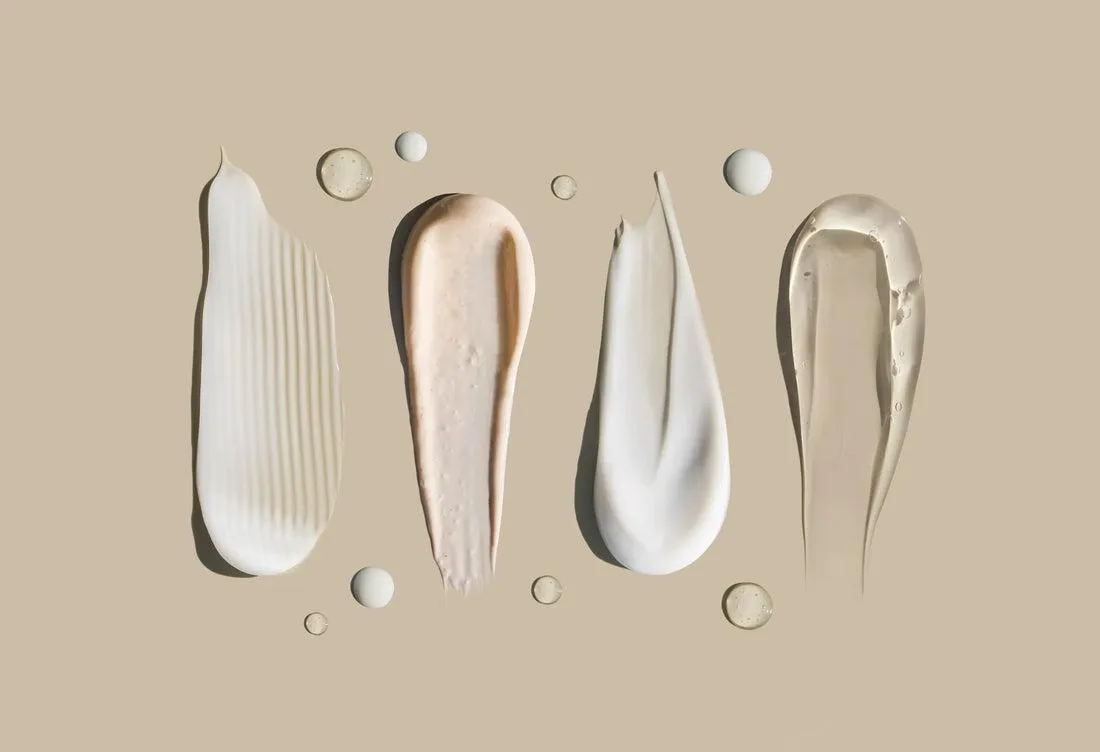
Gel Sunscreen: A Lightweight Option
A gel-based sunscreen can feel refreshing, fast-absorbing, water-based, and weightless feel compared to heavy cream or mineral sunscreens but gel does not automatically mean gentle. They control shine and avoid clogging pores better than thick occlusive creams.
Water-Based and Fluid Sunscreens
Fluid sunscreen spreads easily — water-based products can still contain oils or silicones. Ideal for oily, combination, and acne-prone skin because they are non-comedogenic (won’t clog pores). Dry skin types can also use them by choosing formulas layered with humectants like hyaluronic acid or glycerin.
Cream Sunscreens: When They Can Still Work
A hydrating sunscreen can suit acne-prone skin made dry by treatment. Creams kept in cool, dark, and dry indoor spaces maintain their chemical and mineral filters much longer than those exposed to heat.
Silicone-Based Sunscreens and Matte Finishes
Silicone ingredients improve slip and makeup compatibility without automatically being pore-clogging skin.
| Sunscreen texture | Typical feel | Useful for |
| Water-based gel | Light, refreshing | Oily complexion |
| Fluid or serum | Thin, spreadable | Easy layering |
| Gel-cream | Light hydration | Combination skin |
| Cream | More cushioning | Treatment dryness |
| Silicone-rich | Smooth, primer-like | Sunscreen for makeup |
Mineral vs Chemical Sunscreen for Acne-Prone Skin
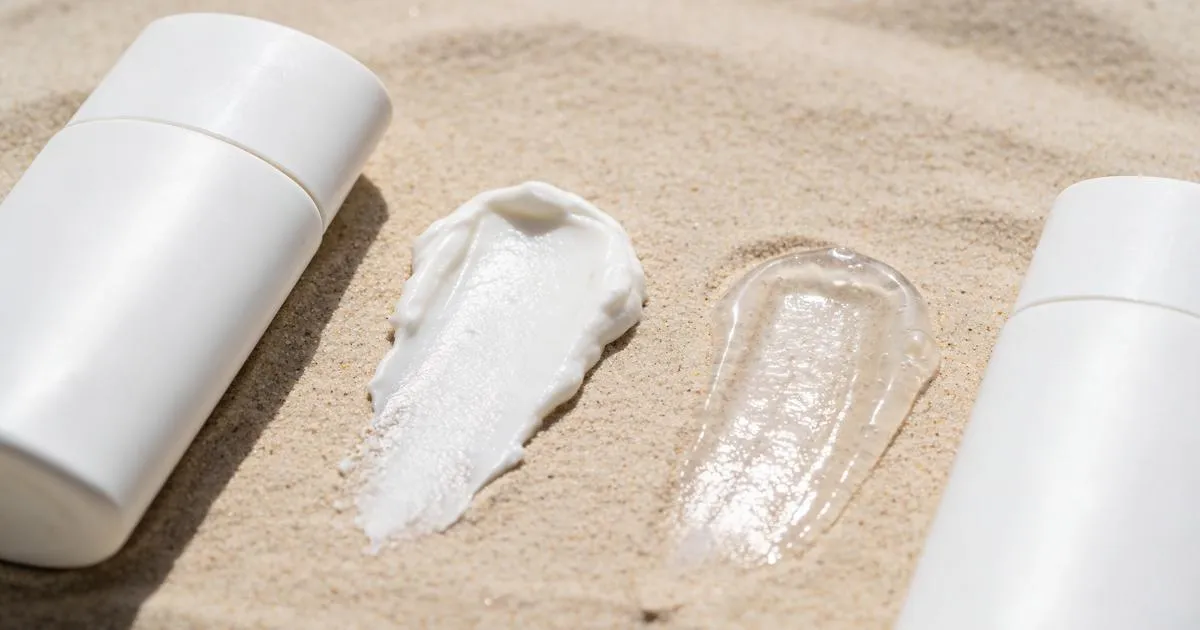
How Mineral Sunscreens Work
Mineral UV filters include zinc oxide and titanium dioxide
Physical sunscreen mainly protects through UV absorption, with some reflecting radiation and scattering light. Mineral sunscreens work by sitting on top of your skin to create a protective barrier.
How Chemical Sunscreens Work
Chemical UV filters absorb UV energy. Chemical sunscreens use organic, carbon-based compounds like avobenzone, oxybenzone, and octocrylene to absorb ultraviolet (UV) radiation. When UV rays hit these molecules, a chemical reaction turns the radiation into harmless heat energy — a lightweight chemical sunscreen may leave less visible residue, which is safely released from the skin.
Which Type Is Better for Sensitive or Breakout-Prone Skin?
Mineral filter sunscreen may suit stinging skin. Neither sensitive nor breakout-prone skin is “better“—they are often overlapping traits or separate conditions rather than a choice between two distinct skin types. A compromised skin barrier frequently triggers both stinging/redness (sensitivity) and clogged pores/pimples (breakouts), meaning you must manage both at once.
White Cast, Irritation, and Wearability
Mixed UV filters, tinted formulas, and different textures offer alternatives — no active-filter category guarantees an irritation-free experience. The very ingredients that make a sunscreen safe for sensitive skin are often the same ones that cause an unappealing chalky finish or a heavy, greasy texture.
SPF 30 vs SPF 50: Which Is Better for Oily and Acne-Prone Skin?

What SPF Actually Measures
SPF (Sun Protection Factor) measures how much solar UVB radiation — it does not measure safe exposure duration and is required to cause sunburn on protected skin compared to unprotected skin. It does not measure how many minutes you can stay in the sun, nor does it measure protection against UVA aging rays.
| Correctly applied sunscreen | Approximate UVB filtered |
| SPF 30 | 97% |
| SPF 50 | 98% |
These simplified laboratory figures do not represent every real-world application.
Why UVA and UVB Protection Both Matter
UVA contributes to pigmentation and premature aging, while UVB strongly contributes to sunburn — both can harm skin. Makes up 95% of UV radiation reaching Earth, penetrates deep into the dermis, breaks down collagen and elastin, and passes through windows and clouds. Makes up 5% of UV radiation, hits the outer epidermis, causes painful sunburns, and damages cell DNA directly.
AAD label guidance explains the difference between UVA and UVB protection
The PA rating uses the PA system to describe UVA protection, not oil control
Does Higher SPF Mean a Greasier Formula?
No — sunscreen SPF and sunscreen texture are separate characteristics. Sun Protection Factor (SPF) only tells you how well a product protects against UVB rays (the rays that cause sunburn). It does not dictate or measure the texture, weight, or oiliness of the product.
Within the SPF 30–50 range, choose a full sunscreen layer you can comfortably maintain — a generous layer and even application matter more than chasing the highest number while applying too little.
How to Choose Sunscreen Based on Your Skin Concern
Very Oily Skin With Excess Shine
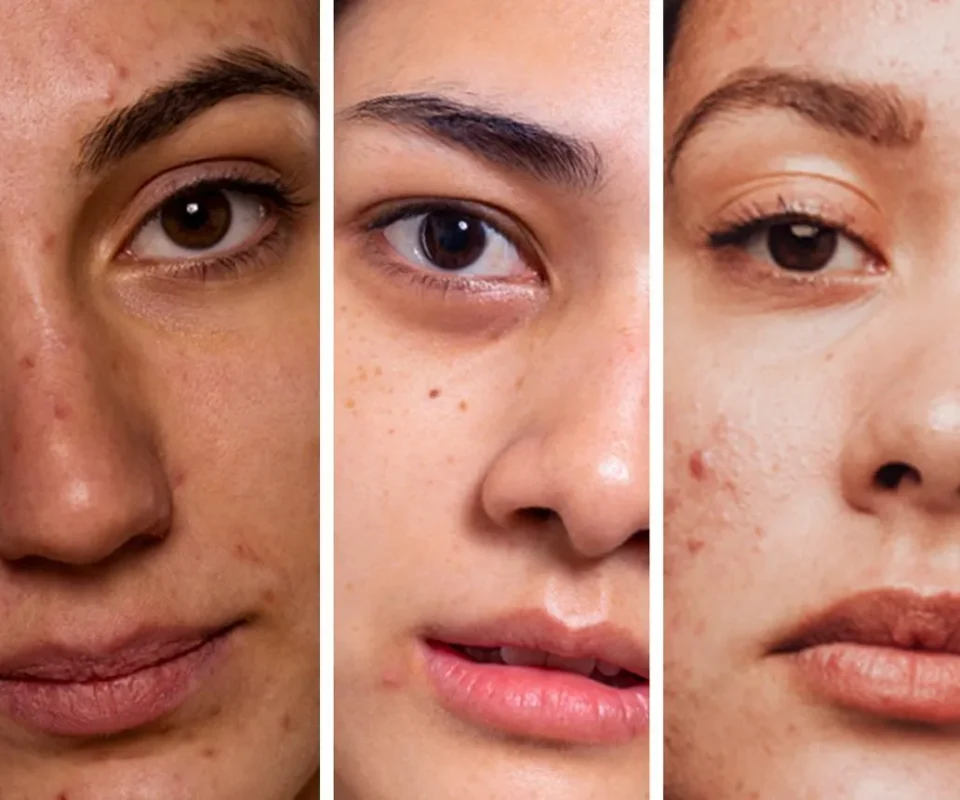
Silica, starches, clays, and mattifying powders may provide temporary shine reduction. Managing very oily skin and excess shine requires balancing oil production without stripping your skin barrier, which can paradoxically trigger more oil.
Oily Skin With Frequent Breakouts
Look for an acne-friendly sunscreen with non-comedogenic labeling and comfortable layering. Oily skin and frequent breakouts happen when overactive sebaceous (oil) glands produce excess sebum that mixes with dead skin cells and traps bacteria in your pores.
Sensitive Skin With Active Acne
Prioritize fragrance-free formulas and skin tolerance over a perfectly matte finish
Acne Marks, Hyperpigmentation, and Darker Skin Tones
Consider tinted sunscreen with iron oxides for additional visible-light protection
Acne-Prone Skin Made Dry by Treatments
Choose hydration rather than aggressive oil control during treatment sensitivity
| Main concern | Helpful feature |
| Shine | Non-greasy, matte finish |
| Frequent skin breakouts | Non-comedogenic formula |
| Redness or stinging | Fragrance-free mineral option |
| Dark marks | Iron-oxide tint |
| Dryness | Ceramides and humectants |
Sunscreen Ingredients and Label Claims Worth Understanding
Niacinamide, Ceramides, and Hydrating Ingredients
Niacinamide supports barrier care, while ceramides and hyaluronic acid support hydration
Panthenol, allantoin, and centella appear in soothing formulas, but ingredient presence alone does not prove clinical benefits

Fragrance and Other Potential Irritants
With fragrance sensitivity, prefer fragrance-free over “low fragrance” — strong fragrance and botanicals can trigger skin reactivity
Does Non-Comedogenic Mean a Product Cannot Cause Breakouts?
No — consumer claims, external seals, and dermatologist recommendations are not guarantees against pore-clogging reactions
Should Acne-Prone Skin Avoid Every Oil?
No — plant oils, plant butters, heavy balms, and rich formulas differ in concentration and overall formula suitability
What about sunscreen doping?
“Sunscreen doping” is a debated term about SPF-boosting ingredients and ingredient disclosure, not a consumer safety rating
Assess sunscreen claims using the complete product labeling and human evidence, rather than treating skincare marketing as clinical validation
How to Apply Sunscreen Without Making Oily Skin Feel Greasy
The Correct Morning Skincare Order
Cleanser → prescribed morning treatment → moisturizer when needed → sunscreen → makeup
Keep sunscreen the last skincare step, applying it 15 minutes before sunlight exposure
For simpler skincare layering, see Daraz Serum’s oily-skin routine
How Much Sunscreen Should You Apply to Your Face and Neck?

The AAD application guide advises at least 1 teaspoon for the face and about 1 ounce for exposed adult body skin
Cover your neck and ears too
The two-finger method varies with finger length and nozzle size — one-quarter teaspoon is not a reliable universal face-and-neck sunscreen amount
How to Reapply Sunscreen During the Day
Reapply every two hours outdoors, after towel drying, and after swimming or sweating as directed
How to Reapply Sunscreen Over Makeup
Blot excess oil, then pat on an even sunscreen layer — SPF powder cannot reliably replace adequate lotion application
How to Remove Sunscreen at Night
Use gentle cleansing in your evening routine — double cleansing helps if makeup removal or water-resistant sunscreen removal leaves residue, but avoid scrubbing
Why Does Sunscreen Sometimes Cause Breakouts or Clogged Pores?
Heavy Formulas and Individual Skin Reactions
An occlusive feel or mask-like feeling may signal poor sunscreen suitability, although skin residue alone does not prove pore congestion
Irritation vs Acne: How to Tell the Difference

Itching, burning, or widespread redness can suggest skin irritation — persistent rashes need medical evaluation
Facial swelling or breathing difficulty needs urgent help
Sweat, Friction, and Product Buildup
Sweating and friction can contribute to inflammatory breakouts, so sunscreen is not always responsible
What to Do if a New Sunscreen Causes Breakouts
Stop the suspected product and return to tolerated care
AAD home testing uses a small area twice daily for seven to ten days — this patch test duration cannot exclude delayed reaction or future acne
Seek a dermatologist for cystic acne, scarring, skin blistering, or persistent skin allergies
Can Sunscreen Help Prevent Acne Marks and Dark Spots?
How Sun Exposure Can Darken Post-Acne Marks
UV exposure can worsen post-inflammatory hyperpigmentation, making post-acne dark marks more noticeable
Why Tinted Sunscreens With Iron Oxides May Help
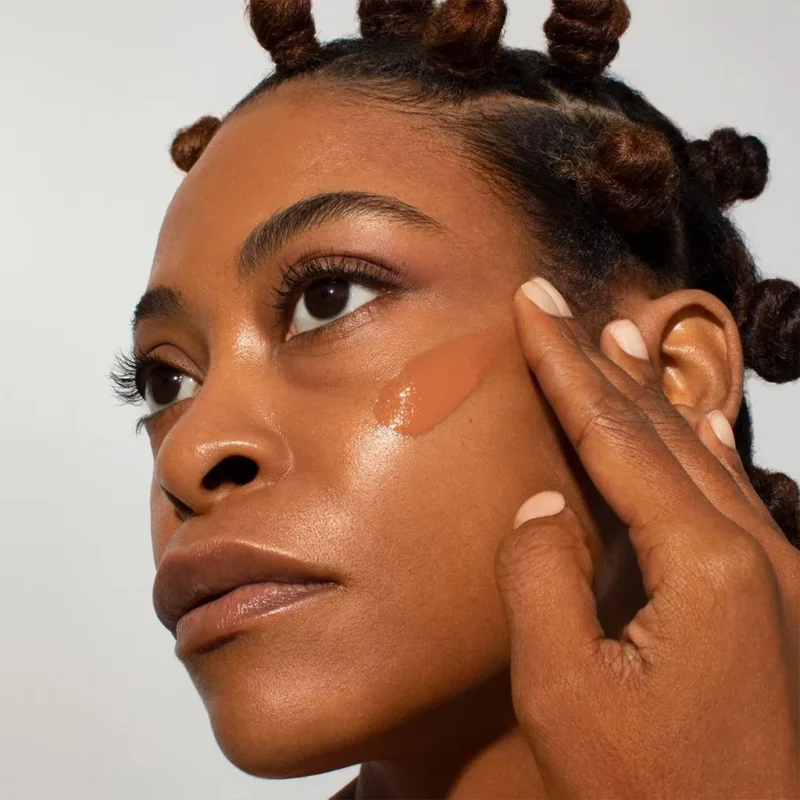
If your acne has left behind brown or dark marks, sunscreen can be an important part of preventing further sun-related darkening.
Tinted sunscreens containing iron oxides provide protection against some visible light, which can contribute to hyperpigmentation, particularly in people with deeper skin tones.
When choosing a tinted sunscreen, look for broad-spectrum SPF 30 or higher, a shade that blends naturally with your complexion, and a texture you can comfortably wear every day.
Tinted sunscreen won’t erase acne marks overnight or treat active acne. Its main role is helping protect your skin while existing discoloration gradually improves or is treated with appropriate skincare.
Why Sunscreen Cannot Treat Active Acne by Itself
Sunscreen protection limits further sun-related darkening — active acne needs its own treatment
Common Sunscreen Mistakes That Oily-Skin Users Should Avoid
Even a well-formulated sunscreen may not work as expected if it isn’t applied correctly. Here are some common mistakes worth avoiding.
- Skipping Sunscreen Entirely: Avoiding sunscreen due to fear of greasiness leaves your skin unprotected against harmful UV damage and premature aging.
- Using Heavy Cream or Rich Formulas: Choosing thick, creamy, “nourishing,” or “hydrating” formulas designed for dry skin clogs pores and causes breakouts. Fix: Choose gel-based, fluid, oil-free, and matte-finish sunscreens (such as a light SPF 50 gel). Look for ingredients like niacinamide to help control excess shine.
- Applying Too Little Product: Skimping on the amount because it feels heavy drastically cuts your actual protection (e.g., turning an SPF 40 into an SPF 15). Fix: Use the two-finger rule—squeezing two full lines of sunscreen along your index and middle fingers—to cover your face and neck properly.
- Ignoring skin irritation. If a sunscreen repeatedly causes burning, itching, or a rash, stop using it and consider seeking professional advice.
Frequently Asked Questions
What sunscreen is best for acne-prone skin?
Daraz Serum’s starting pick is EltaMD UV Clear, subject to personal tolerance
Is gel sunscreen good for oily, acne prone skin?
Yes — Daraz Serum suggests checking fragrance, broad-spectrum protection, and comfort before choosing chemical gel sunscreen
Which brand is best for acne prone oily skin?
Daraz Serum compares individual formulas rather than endorsing every sunscreen from one brand
Is Acne UV sunscreen good for oily, acne prone skin?
Daraz Serum cannot assess “Acne UV” from its name alone — verify the exact formula, country label, and seller
Can sunscreen cause pimples on oily skin?
Yes — Daraz Serum recommends changing an unsuitable formula rather than stopping sun protection
Why does oily and acne-prone skin still need sunscreen?
Daraz Serum emphasizes that skin oil does not prevent UV injury or skin-cancer risk
Is SPF 50 too heavy for acne-prone skin?
No — Daraz Serum advises comparing textures, because protection level does not determine heaviness
Can I skip moisturizer if I use sunscreen?
Yes, if comfortable — Daraz Serum suggests moisturizer before sunscreen when dryness persists
Can I use sunscreen with salicylic acid or retinol?
Yes — Daraz Serum advises sunscreen during acne treatment, following instructions for retinoids, benzoyl peroxide, and alpha-hydroxy acids
Which sunscreen is best for oily skin in hot weather?
Daraz Serum suggests considering Neutrogena Clear Face, with reapplication after sweating according to its label
Final Verdict: How to Find Your Ideal Daily Sunscreen
The best sunscreen for oily and acne prone skin balances UV protection, individual tolerance, and consistent use
Choose matte for shine, moisturizing for dryness, and tinted for discoloration — include shade, hats, and protective clothing
How We Selected the Sunscreens and Sources
Daraz Serum research experience
This Daraz Serum draft assesses published specifications, not firsthand experience
Comparing the labels revealed a useful lesson: a sensitive mineral sunscreen can prioritize moisture, while a matte mineral sunscreen prioritizes a different finish
Likewise, rapid absorption and a transparent finish are cosmetic claims, not proof of superior sunscreen safety or skin-cancer prevention
Selection considered SPF, ingredients, texture, US listings, and concerns about skin health
In a 903-person randomized trial, daily sunscreen reduced progression of visible aging over four and a half years — this was not an acne trial
A 48-person absorption study detected chemical-filter absorption above thresholds requiring further safety studies, not proof of harm
Randomized clinical evidence can answer different questions from observational research — neither replaces a product-specific wear test or proves universal sunscreen suitability
No verified author qualifications or clinical reviewer credentials were supplied — add only genuine names and credentials before publication