
Blog
Best Suitable Serums for Skin in Summer ( Complete Guide 2026 )


Choosing a summer serum starts with your main concern: excess shine, clogged pores, dryness or dullness. A light texture can feel more comfortable in hot weather, but the ingredient list and your skin’s tolerance matter more than the season. This guide explains how to compare niacinamide, salicylic acid and vitamin C without building an unnecessarily complicated routine.
Does Oily Skin Need a Serum in Summer?
A serum is optional, even for oily skin. If heat and humidity make your face feel greasy, choose a lightweight formula that targets a specific concern. Keep a gentle cleanser, suitable moisturizer and sunscreen as the foundation of your routine.
Compare products by their current ingredient labels and directions. You can explore Skinora Oil Control Serum for Face alongside other options, but avoid choosing only because a product promises a glow. Check the active ingredients, fragrance and recommended frequency before buying.
Ingredients to Consider for Your Summer Routine
Look for ingredients that match the problem you want to address. Niacinamide may help with visible oiliness, while salicylic acid is used for clogged pores. If your skin feels tight or irritated, prioritize hydration and a simple routine instead of adding several active ingredients.
Niacinamide: An option for visible oiliness and barrier support; results depend on the formula.
Salicylic acid: An exfoliating ingredient used for blackheads and whiteheads. It can also cause dryness or irritation.
Vitamin C: An option for a brighter-looking complexion. A vitamin C serum does not replace sunscreen.
1. Niacinamide Serum for Visible Oiliness
Niacinamide is found in many serums and moisturizers. A clinical study of 2% niacinamide reported changes in measures of facial oiliness, but that does not prove that every niacinamide product will perform identically. Choose a comfortable formula and judge it over time rather than expecting overnight changes.
Benefits of Niacinamide Serum
- May help reduce visible oiliness, depending on the formulation.
- Can fit a lightweight routine for oily skin.
- Does not replace an acne treatment when one is needed.
- May support a more even-looking complexion over time.
- Can support the skin barrier in a suitable moisturizing formula.
- Tolerance varies; stop if irritation persists.
- Higher concentrations are not automatically a better choice.

2. Skinora Serum with Salicylic Acid for Clogged Pores
Salicylic acid can be useful when blackheads and whiteheads are the main concern. The American Academy of Dermatology explains that it exfoliates and unclogs pores. If you are considering a Skinora serum, check its current label to confirm the active ingredient and concentration. Follow the directions and stop if it causes persistent burning, redness or peeling. Ingredient research is not the same as a clinical test of a particular brand.
Salicylic Acid: Benefits and Limitations
- Salicylic acid can help with blackheads and whiteheads.
- It exfoliates and helps unclog pores.
- It does not erase established acne scars.
- Check the complete formula, concentration and directions.
- Overuse can cause dryness, redness or irritation.
About this Acne Serum:
| Targets | Clogged pores and blemish-prone skin; check the product label |
| Brand Name | Skinora Serum |
| Item form | Liquid ( drops ) |
| Skin Type | Depends on the formulation and individual tolerance |
| Key Ingredients | Verify the current ingredient list on the packaging |

3. Skinora Serum with Vitamin C for Summer
A vitamin C serum may fit a routine focused on dullness or uneven-looking tone. Check the current label of Skinora Skin Whitening Serum rather than assuming that every product contains the same vitamin C form or other actives. Avoid expecting permanent changes to your natural skin color. Introduce one product at a time and keep sunscreen in your morning routine.
Vitamin C: Benefits and Buying Considerations
- A suitable vitamin C formula may support a brighter-looking complexion.
- Results for uneven-looking tone depend on the formula and regular use.
- Keep a moisturizer in the routine if your skin needs it.
- Check the ingredient label rather than relying only on a product name.
- Expect gradual changes rather than a guaranteed glow in a few days.
- No serum is suitable for every person or a replacement for sunscreen.
About this Serum:
| Targets | Dullness and uneven-looking tone; results vary |
| Brand Name | Skinora Serum |
| Item form | Liquid ( drops ) |
| Skin Type | Depends on the formulation and individual tolerance |
| Key Ingredients | Verify the current ingredient list on the packaging |
How to Use Suitable Serums for Skin in Summer
- Cleanse with a gentle face wash and avoid harsh scrubbing.
- Apply one chosen serum in the amount directed on its label.
- Introduce new actives separately so you can identify irritation.
- Follow with a comfortable moisturizer and, in the morning, broad-spectrum SPF 30 or higher.
- Follow sunscreen reapplication directions and stop any product that causes persistent irritation.

Final Thoughts
A useful summer routine can be simple: cleanse gently, use a serum only if it addresses a concern, moisturize as needed and apply sunscreen. You do not need niacinamide, salicylic acid and vitamin C together. Choose according to your skin’s response, not a promise of instant results. Persistent acne, painful breakouts or ongoing irritation deserve professional advice.
FAQ’s of Suitable Serums for Skin in Summer
How to choose the best serum for summer?
Choose according to your concern and tolerance:
Oily skin: Consider a lightweight niacinamide formula.
Blackheads or whiteheads: A salicylic acid product may help if tolerated.
Dry skin: Prioritize a moisturizer and hydrating ingredients.
Dullness: Consider vitamin C while maintaining daily sun protection.
Is it necessary to use a serum in summer?
No. A serum is an optional addition. If your cleanser, moisturizer and sunscreen already suit your skin, you do not need to add another product simply because the weather is warmer.
Can I use a niacinamide serum daily?
Many niacinamide products are intended for daily use, but follow the specific label. Introduce the product gradually and reduce use or stop if your skin becomes irritated.
How should I use vitamin C serum in hot weather?
Cleanse gently, apply the amount directed on the product label and follow with moisturizer if needed. Finish your morning routine with sunscreen. You do not need a fixed 60-second wait unless the product directions specify it.
Niacinamide vs Vitamin C serum, which is better for summer?
Neither is automatically better for summer. Niacinamide may suit concerns about visible oiliness, while vitamin C may suit concerns about dullness. The formula, your existing routine and your skin’s tolerance determine which is more useful.
Can people with oily skin skip moisturizer in summer?
Oily skin can still need moisture. Choose a lightweight moisturizer that feels comfortable and does not leave your skin tight or dry. Adjust the texture to your skin rather than assuming all creams are too heavy.
Is sunscreen necessary when using serums in summer?
Yes. A serum does not provide reliable sun protection. The AAD recommends broad-spectrum, water-resistant sunscreen with SPF 30 or higher. Follow its application directions and use shade and protective clothing as well.

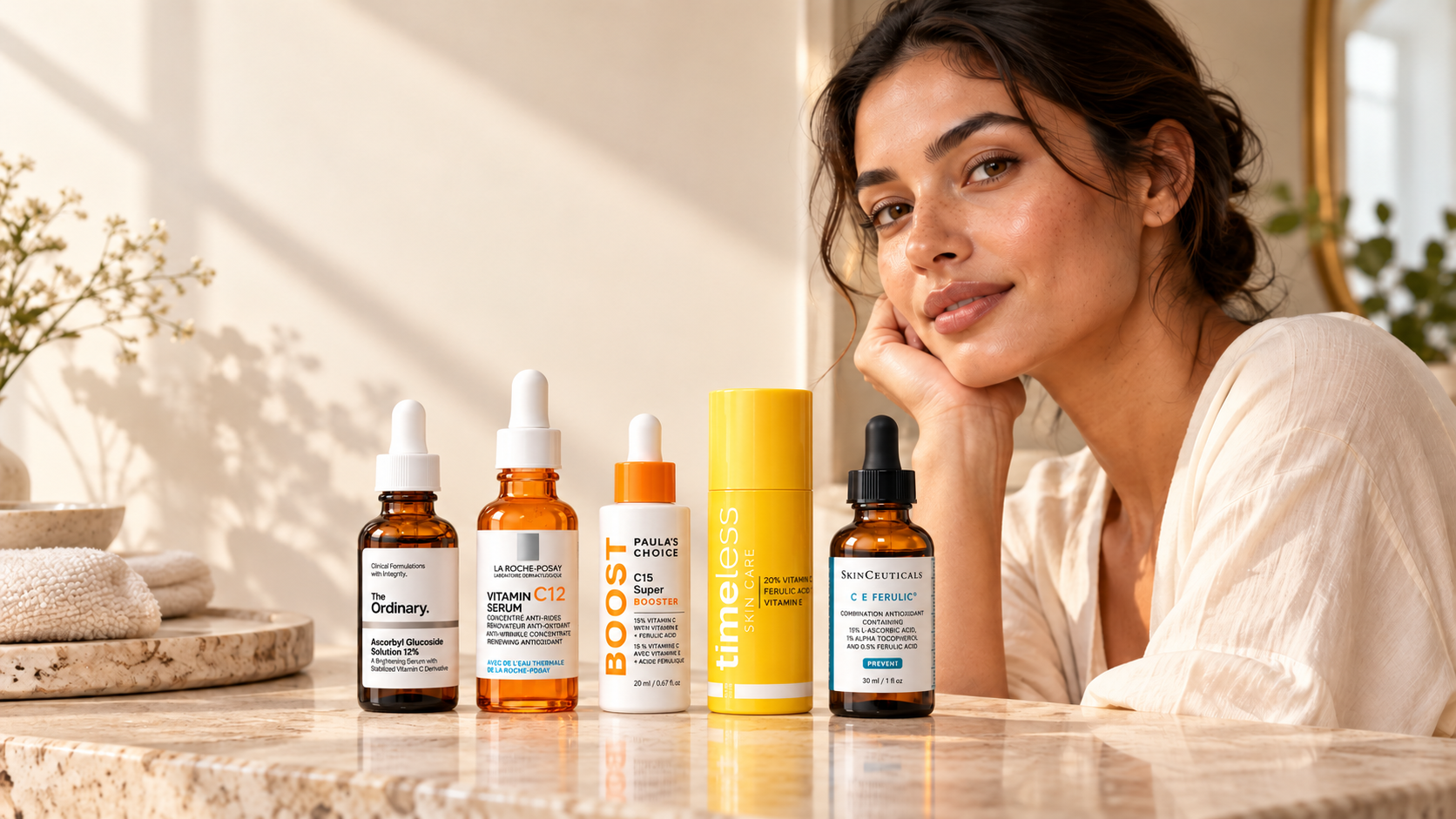








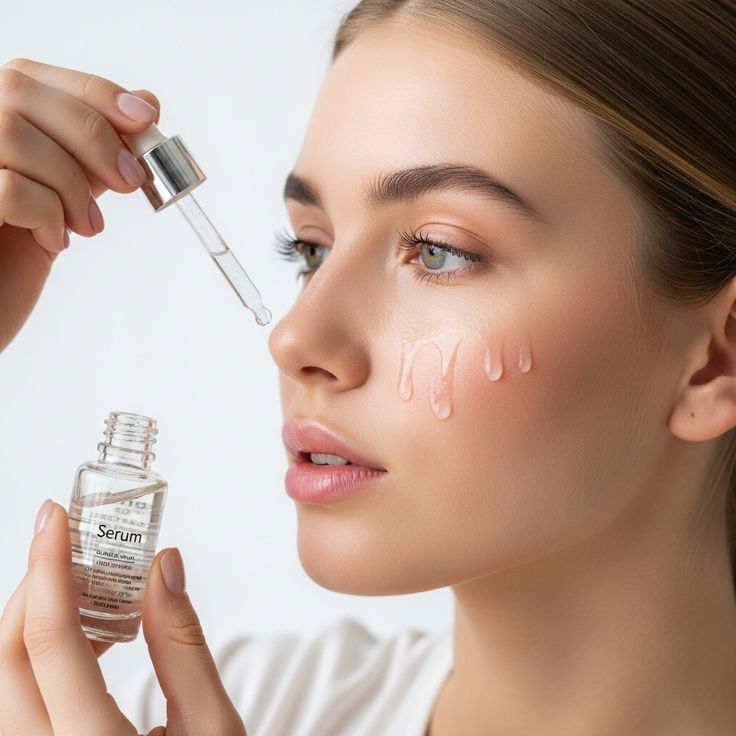
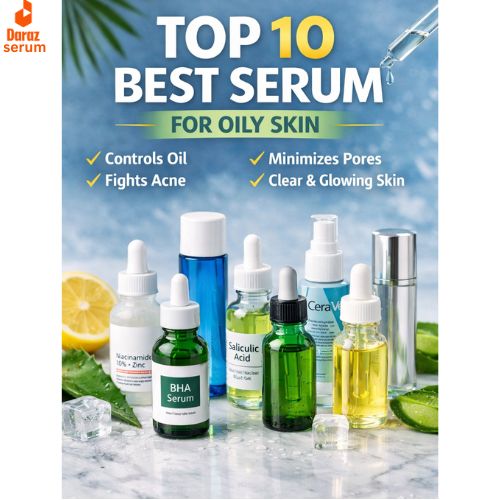

Hey there, fellow skincare enthusiasts! As the temperature rises and the sun shines brighter, it’s time to update our skincare routines for the summer months. And what better way to do that than by incorporating the power of serums? From lightweight hydrating serums that quench parched summer skin to antioxidant-rich formulas that combat free radical damage caused by UV rays, we’ll reveal the best serums that deserve a prime spot in your summer skincare arsenal.