Your Cheeks feel tight, or flaky and your forehead looking shiny. A new pimple has appeared on your face, and your moisturizer still doesn’t feel like enough.
Dry skin and acne happen together because they have different causes. Acne appeare from blocked pores and inflammation. Dryness comes from a weakened skin barrier and water loss. Harsh cleansers, strong treatments of acne,over-exfoliating, and dry air can trigger both. The fix is a gentle, simple routine: mild cleanser, suitable acne treatment, a good moisturizer for skin, and daily sunscreen.
In this blog guide you will learn:

- Why dryness and breakouts appear together
- The difference between dry skin and dehydrated skin
- The most common causes and mistakes
- A step-by-step routine you can start today
- A 4-week plan so you don’t overload your skin
- When to see a doctor or dermatologist
Can you really have Dry skin and Acne at the same time?
Yes, you can genuinely have dry skin and acne at the same time.
Acne develops when pores become blocked with a mix of oil production, dead skin cells, and sometimes bacteria. You notice blackheads, red bumps, whiteheads, and deeper painful spots. Also hormones, genetics, stress, and certain products can all play a important role.
Dryness relates to your skin barrier, the outer layer that holds in water and keeps out irritants. When the your skin barrier is weakened, skin can feel tight, flaky, and sensitive.
Dry skin vs dehydrated skin: what’s the difference?
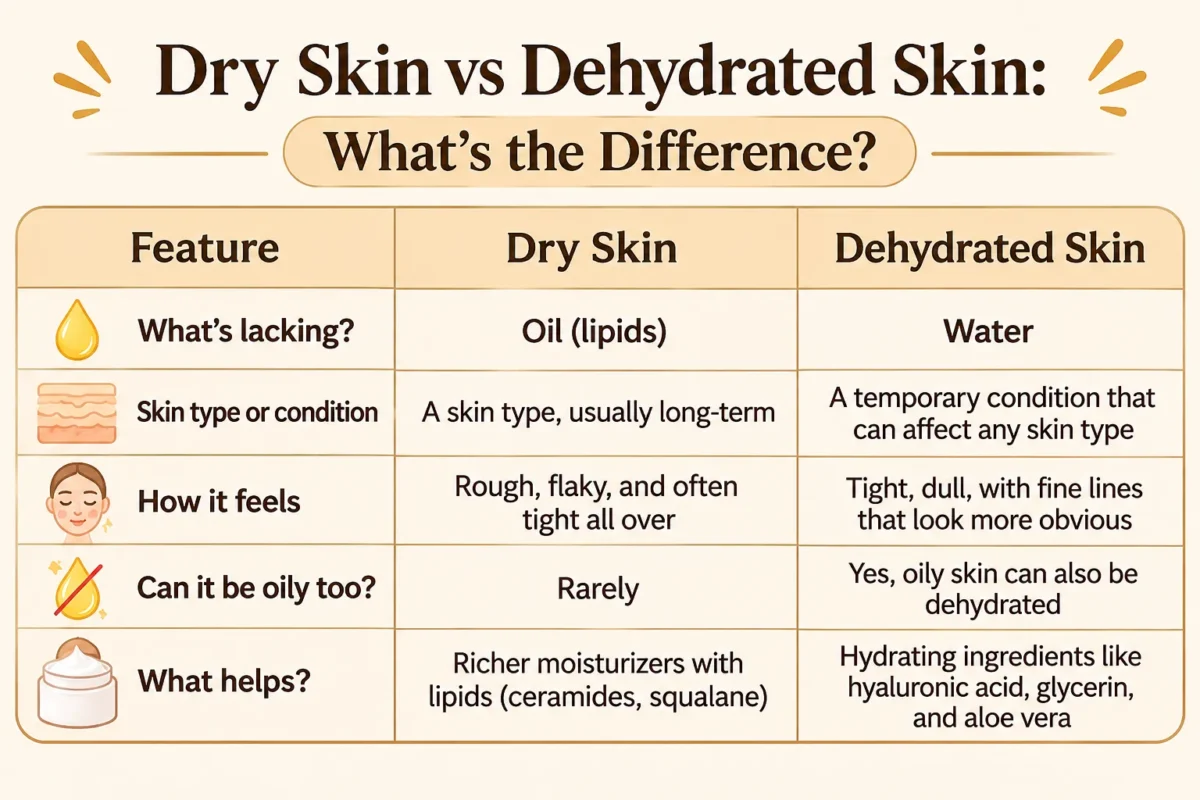
What your Skin is telling You
| What you notice | What it may suggest | What to review |
|---|---|---|
| Flaky, rough cheeks | Dryness or irritation | Cleanser and moisturizer |
| Shiny forehead but tight skin | Oiliness with dehydration | Add hydration, avoid harsh cleansing |
| Blackheads or whiteheads | Clogged pores | A suitable acne treatment |
| Redness and stinging when applying products | Possible irritation or damaged barrier | Pause active ingredients, simplify, and see a professional if it persists |
| Peeling plus new pimples | Over-treatment or over-exfoliation | Cut back to the basics |
Why Dry Skin and Acne Happen Together: The Main Causes
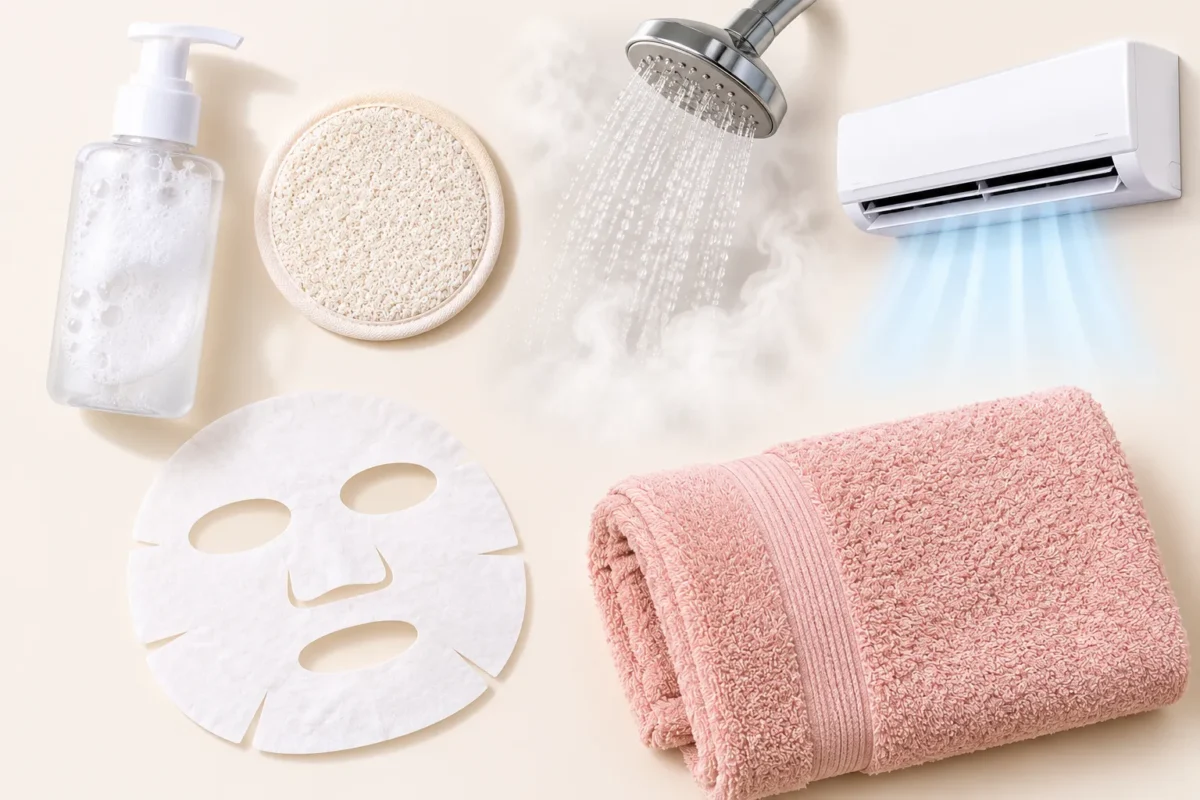
Harsh Cleansers
Harsh cleansers strip the skin of its natural lipids, ceramides, and moisture, damaging the skin barrier and triggering tightness, flakiness, irritation, and a rebound overproduction of oil. It’s a sign of your skin barrier may be struggling.
Acne treatments that dry the skin
Overusing strong ingredients like high-strength benzoyl peroxide, salicylic acid, alcohol-based toners, and retinoids are well established for acne. Dryness, peeling, and irritation are common side effects, especially in the first weeks
Over-Exfoliating
Using a scrub, an acid toner, exfoliating pads, and a retinoid in the same week can overwhelm the skin. Over-exfoliated skin can become red, flaky, and more breakout-prone.
Dry Air
Cold wind, indoor heating, air conditioning, and long flights all reduce humidity and increase water loss from the skin. This is why many people notice breakouts and tightness together when the weather changes or they spend long hours in air-conditioned rooms.
Heavy or Comedogenic Moisturizers
To fight tightness, people often reach for very thick, pore-clogging creams or occlusives that trap sweat, dead cells, and bacteria inside the follicle.
Skipping Moisturizer
Most people avoid moisturizer with acne because they fear it will cause more spots. In reality, a moisturizer helps skin tolerate acne treatments. Without it, dehydrated skin may produce more shine and feel worse.
Lifestyle Triggers
Face masks, helmets, hats, shaving, heavy makeup, and not cleansing after sweating can all aggravate breakouts and irritation.
Common Myths that make things Worse
- Oily skin doesn’t need moisturizer.
- Tight and squeaky means clean.
- Peeling means the product is working.
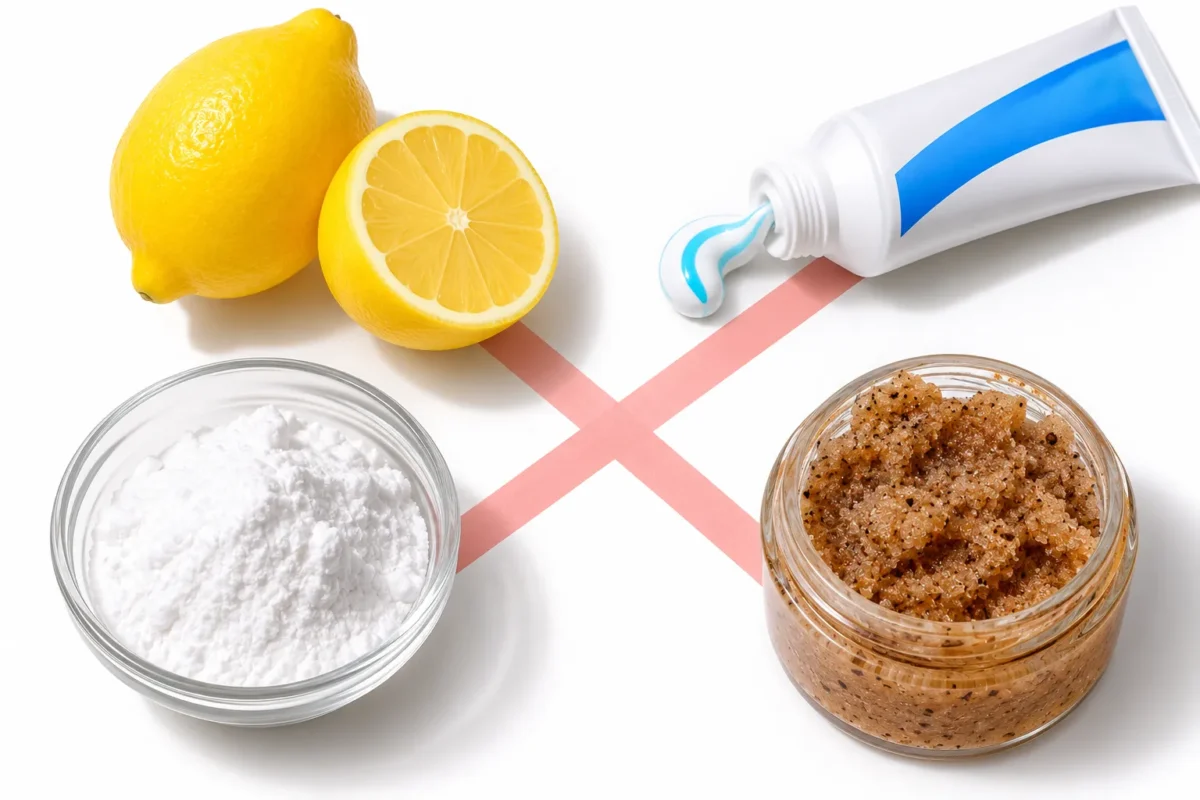
- Lemon juice, toothpaste, or baking soda will dry out pimples.
- Scrubbing flakes away will fix dry patches.
- Winter doesn’t affect acne.
How to fix Dry Skin and Acne: A Simple 4-Step Routine
Managing dry skin and acne at the same time requires a delicate balance: you need to clear clogged pores and calm inflammation without stripping your skin’s natural moisture barrier.
Step 1: Cleanse Gently
Wash your face with lukewarm water and a gentle, non-comedogenic, hydrating cleanser (such as a ceramide- or squalane-based wash). Stripping your dry skin triggers your body to produce excess oil, which actually makes acne worse.
Step 2: Choose one treatment for your Main Concern
Pick one active ingredient that fits your skin type of breakout, and introduce it slowly.
| Ingredient | Best known for |
|---|---|
| Salicylic acid (BHA) | Blackheads, whiteheads, clogged pores |
| Azelaic acid | Acne, redness, and some post-acne dark marks |
| Niacinamide | Supports the skin barrier, oil appearance, and uneven tone |
| Benzoyl peroxide | Inflammatory pimples |
| Topical retinoids | Acne and texture, with strong evidence |
Step 3: Non-Comedogenic Moisturizer
Gently pat your face dry, leaving it slightly damp, and apply your moisturizer immediately to trap hydration. It’s main ingredients are Ceramides, squalane, or shea butter to repair the skin barrier and lock in moisture without clogging pores. Never skip moisturizer.
Step 4: Broad-Spectrum Sunscreen (Morning Only)
Finish your morning routine with a lightweight, oil-free, non-comedogenic sunscreen (SPF 30 or higher). UV exposure can make post-acne marks darker and last longer.
- Choose a broad-spectrum sunscreen (SPF 30 or higher).
- Pick a lightweight texture you will actually wear generously.
- Reapply when you’re outdoors for long periods.
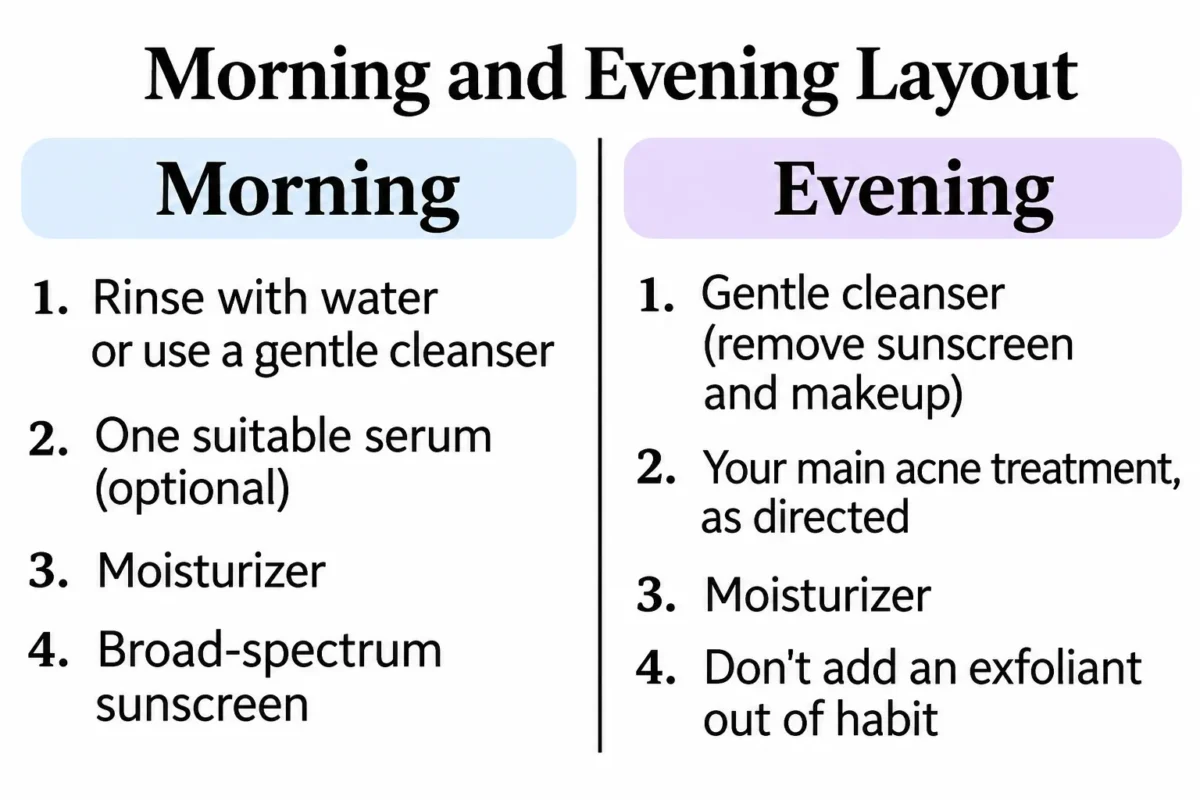
The 4-Week Plan to Introduce Your Routine Safely
Use this schedule instead:
| Week | What to do |
|---|---|
| Week 1 | Gentle cleanser and moisturizer only. Let your skin settle. |
| Week 2 | Add sunscreen every morning. |
| Week 3 | Add one active (for example salicylic acid, azelaic acid, or niacinamide). Begin every second or third night, then increase if your skin is comfortable. |
| Week 4 | Evaluate. Is skin more comfortable? Fewer tight patches? If you see irritation, go back a step. |
Things to Stop Doing Right Now
- Scrubbing your face
- Washing more than twice a day
- Using hot water
- Picking and squeezing pimples
- Stacking multiple actives
- Skipping moisturizer
- Changing products Regularly
What about Dark Marks after Pimples?
Dark marks left behind after pimples heal are known as post-inflammatory hyperpigmentation (PIH) or post-inflammatory erythema (PIE). Flat red or pink marks and brown or grey marks are different and may respond to different approaches.
The most useful foundations are:
- Prevent new breakouts and avoid picking
- Wear sunscreen every day
- Be patient, since marks fade over weeks to months
- Ask a professional if marks are stubborn
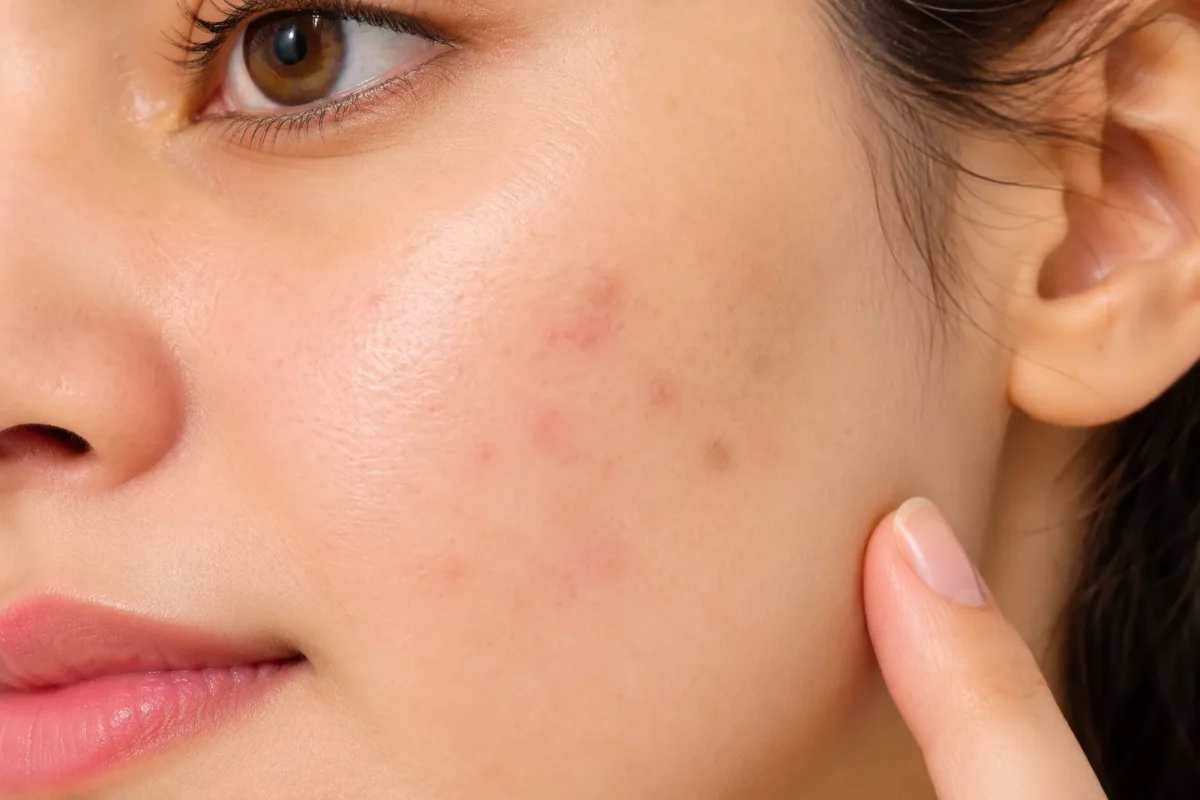
Ingredients of Serum such as azelaic acid and niacinamide may support a more even-looking tone.
When to See a Doctor or Dermatologist
Skincare can help many people, but it can’t replace medical care. See a doctor, pharmacist, or dermatologist if you have:
- Painful, deep spots, nodules, or cysts
- Acne that leaves scars
- Sudden or severe breakouts
- Acne that is affecting your confidence or mental health
- Persistent burning, stinging, or a rash (this may not be acne)
- Dryness caused by prescription acne medicine. Ask the prescriber how to manage it instead of stopping or doubling the treatment on your own.
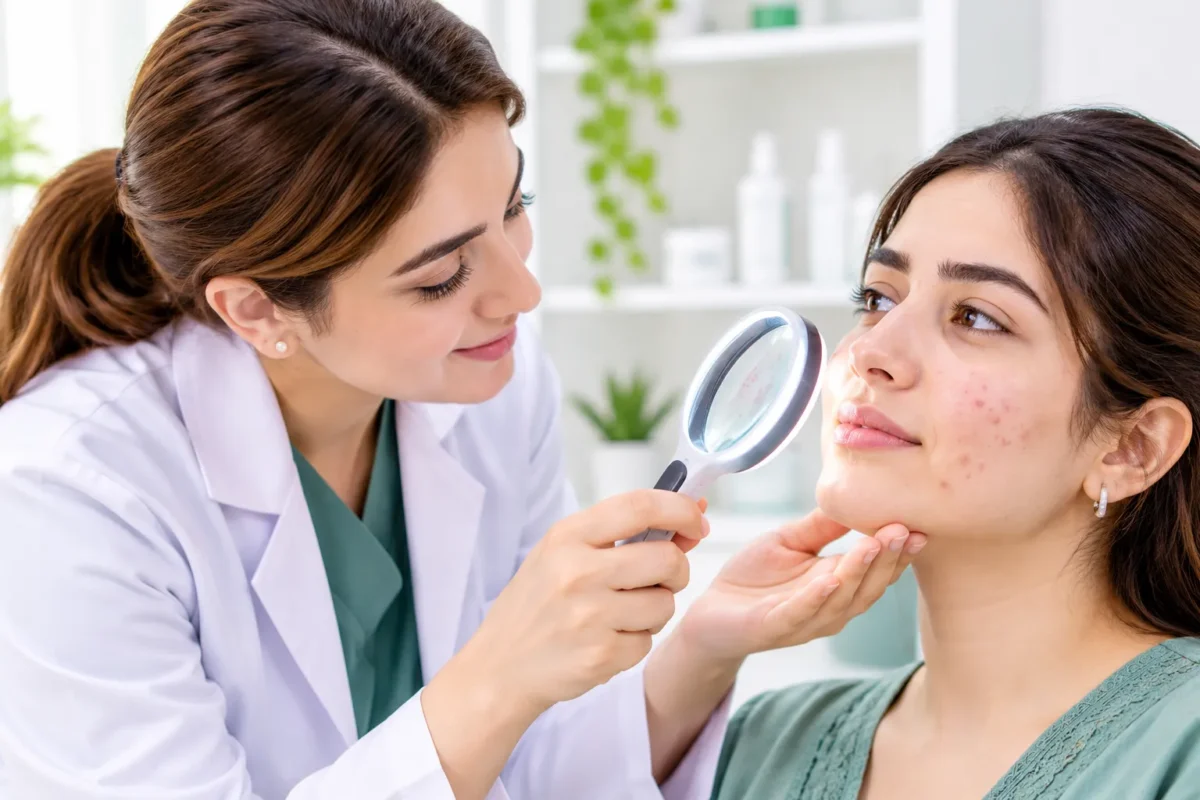
If you are pregnant or planning pregnancy, ask a healthcare professional before using retinoids or other acne medicines.
Frequently Asked Questions
Can dry skin cause acne?
Yes, dry skin can indirectly cause or worsen acne breakouts. It also caused by blocked pores and inflammation.
Should oily or acne-prone skin use moisturizer?
Yes, oily or acne-prone skin should use a moisturizer. A lightweight moisturizer helps your skin tolerate acne treatments.
Why is my skin peeling and breaking out at the same time?
Common reasons are over-exfoliation, a harsh cleanser, strong acne treatments, or a damaged skin barrier. Skin peeling and breaking out at the same time is usually caused by skin purging from a new active ingredient.
Can I use salicylic acid and niacinamide together?
Yes, you can safely use niacinamide and salicylic acid together. In fact, they complement each other very well for oily, combination, or acne-prone skin.
How long does it take to see results?
Moisturizer and a gentler cleanser can improve comfort within days to a couple of weeks. Acne treatments usually take 6 to 12 weeks to judge.
Do I need sunscreen if I have acne?
Yes. Sunscreen helps prevent post-acne marks from getting darker. Choose a suitable lightweight, broad-spectrum formula.
Can air conditioning or heating cause breakouts?
They don’t directly cause acne, but dry indoor air can increase water loss and irritation, which may make breakouts and tightness more noticeable.
Final Thoughts
Clearer skin should not mean uncomfortable skin. When you have dry skin and acne together, the answer is rarely more products. It’s usually a smaller, smarter routine:
- Cleanse gently
- Treat thoughtfully with one active
- Moisturize properly
- Protect with sunscreen
Give your skin time, introduce changes slowly, and ask a professional when acne is painful, severe, or scarring.
Explore our acne-friendly cleansers, moisturizers, serums, and sunscreens at darazserum.com and choose one step to improve first.
This explains so much. I always thought my breakouts meant I needed to scrub harder, and my skin only got worse. The 4-week plan is a great idea because I’ve definitely been guilty of adding everything at once.
Thank You.