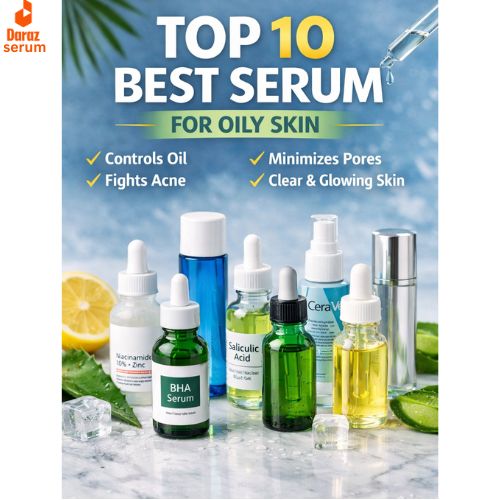


For oily, acne-prone skin with dark spots, choosing the right serum can make a noticeable difference in both oil control and pigmentation treatment. Dermatologists often recommend ingredients like niacinamide, Vitamin C, and salicylic acid, as they work together to reduce excess oil, unclog pores, and gradually fade dark spots.
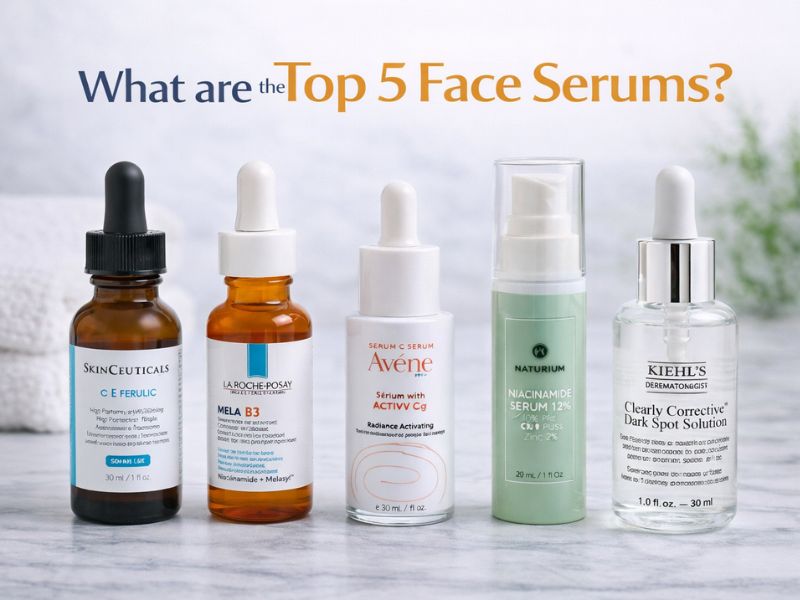
Some of the most recommended options include SkinCeuticals Silymarin CF, La Roche-Posay Mela B3 Serum, and The Ordinary Niacinamide 10% + Zinc 1%. These serums are among the best serum for oily skin and dark spots. They are typically lightweight, non-comedogenic, and designed to improve overall skin clarity without clogging pores.
From real-life experience, many people with oily and acne-prone skin notice that switching to these types of serums helps reduce shine within the first few weeks. For example, niacinamide-based serums often show quick results in oil control and pore tightening, while Vitamin C serums work more gradually to brighten skin and fade stubborn dark spots.
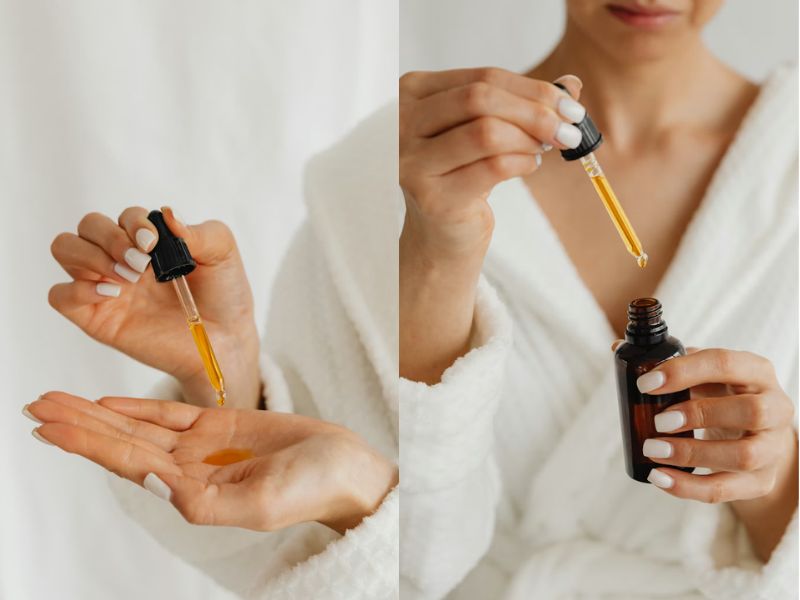
What to Look for in a Serum for Oily Skin and Dark Spots
Not all serums are created equal—especially when you’re dealing with oily skin and stubborn dark spots. From personal experience (and what dermatologists also recommend), choosing the right serum can completely change your skin over time.
If you’ve ever tried random products and felt like nothing worked, you’re not alone. The key is not the brand—it’s the ingredients inside the serum.
When shopping for a serum for oily skin and dark spots, focus on lightweight, non-comedogenic formulas that contain proven, dermatologist-backed ingredients.
Top Ingredients That Actually Work
Here are some of the most effective ingredients that I’ve personally seen results with—and that experts consistently recommend:
- Vitamin C: A powerful antioxidant that helps brighten dull skin and visibly fade dark spots. It also protects your skin from environmental damage, which can worsen pigmentation.
- Niacinamide: One of the best ingredients for oily skin. It helps control excess oil, minimizes pores, and reduces the appearance of dark spots by regulating melanin production.
- Azelaic Acid: Great for stubborn pigmentation and acne-prone skin. It works gently, making it perfect for sensitive or irritated skin while still targeting uneven skin tone.
- Alpha Arbutin: A safe and effective skin brightener that helps reduce dark patches and improve overall skin clarity without being harsh.
- Glycolic Acid: An exfoliating acid that removes dead skin cells, unclogs pores, and improves uneven skin tone—making your skin look smoother and more radiant.
Real-Life Tip (From My Experience)
From my own skincare journey, I noticed that using too many active ingredients at once actually made my skin worse. What worked best was sticking to one or two key ingredients consistently for a few weeks.
Additionally, if you have oily skin, opt for lightweight, water-based serums; heavy formulas can clog pores and trigger breakouts.
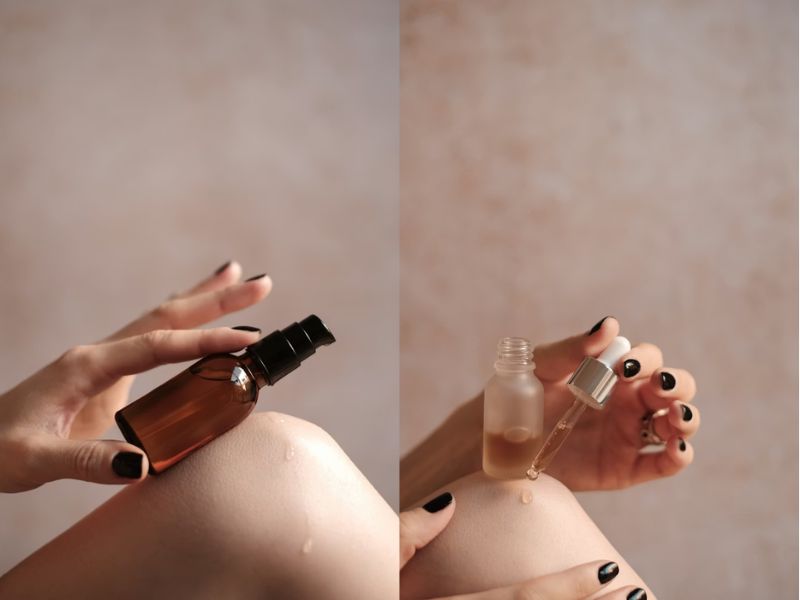
Which Serum is Best for Oily Skin and Dark Spots?
The best serum for oily skin and dark spots contains niacinamide, Vitamin C, or salicylic acid. These ingredients help control excess oil, unclog pores, and gradually fade dark spots.
| Ingredient | Best For | Skin Type |
|---|---|---|
| Vitamin C | Brightening, dark spots | All skin types |
| Niacinamide | Oil control, pores | Oily, Sensitive |
| Azelaic Acid | Acne + pigmentation | Sensitive |
| Glycolic Acid | Texture + tone | Oily, Normal |
| Alpha Arbutin | Gentle brightening | All |
Top Dermatologist-Recommended Serums for Oily Skin and Dark Spots
Finding the right serum for oily skin and dark spots can feel overwhelming—especially with so many options on the market. Based on dermatologist recommendations and real-life user experiences, here are some of the most effective serums that consistently deliver visible results.
Best Overall – SkinCeuticals Silymarin CF
Dermatologists often recommend this serum because it combines Vitamin C with silymarin, helping reduce oil oxidation and prevent breakouts.
Key Benefits:
- Controls excess oil and reduces shine
- Helps fade dark spots and acne marks
- Protects skin from environmental damage
Real experience:
Users with very oily skin often notice that their skin looks less greasy within a few weeks, while dark spots slowly start to fade. However, it’s on the expensive side—so it’s more of a long-term investment product.
Best for Hyperpigmentation – La Roche-Posay Mela B3
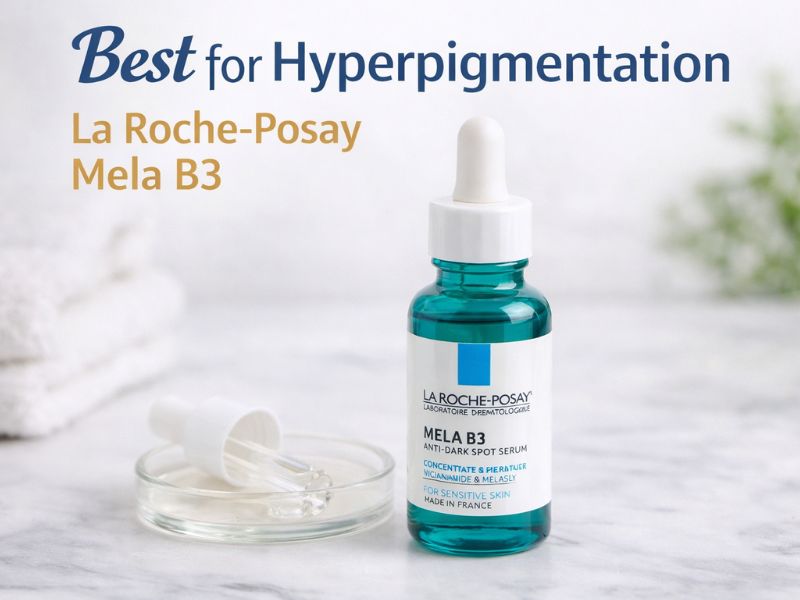
Formulated specifically to target deep, stubborn dark spots, this serum works well for uneven skin tone and post-acne marks.
Key Benefits:
- Targets deep pigmentation and dark patches
- Improves uneven skin tone
- Gentle and suitable for sensitive skin
Real experience:
Many people report a gradual but noticeable improvement in pigmentation after consistent use for 4–6 weeks. It’s gentle on sensitive skin, which makes it a safe choice for beginners.
Best Budget – The Ordinary Niacinamide 10% + Zinc 1%
A cult favorite for a reason—this serum is affordable and highly effective for controlling excess oil and minimizing pores.
Key Benefits:
- Reduces oiliness and controls sebum
- Minimizes pores and improves skin texture
- Helps lighten mild dark spots
Real experience:
From personal use and reviews, this is often the first serum that actually shows visible oil control within days. Over time, it also helps fade mild dark spots—but consistency is key.
Best for Acne Scars – Differin Serum
Powered by niacinamide, this serum is great for targeting acne scars while also improving overall skin texture.
Key Benefits:
- Fades acne scars and post-acne marks
- Smoothens rough skin texture
- Supports clearer and healthier-looking skin
Real experience:
Users dealing with acne marks often see smoother skin and lighter spots after a few weeks. It works especially well when combined with a simple skincare routine.
Best for Brightening – Avène Vitamin C Serum
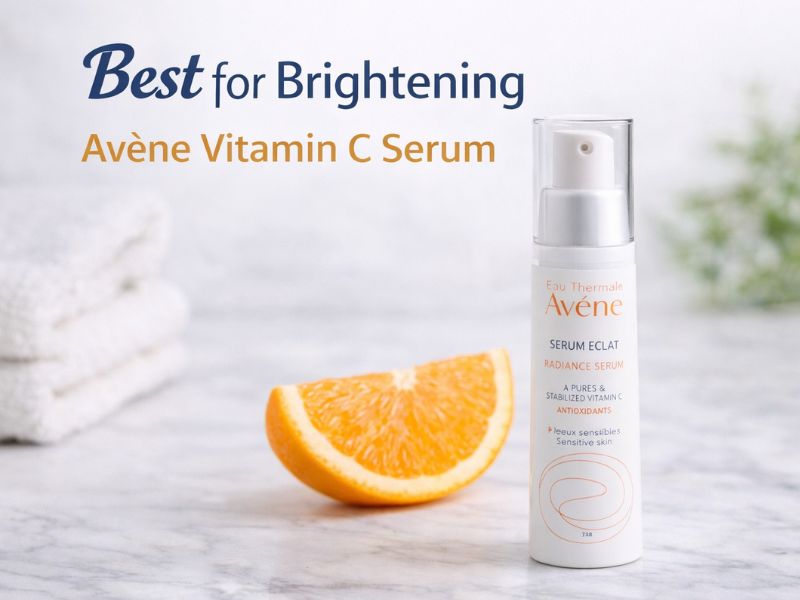
This serum focuses on brightening and improving skin radiance, making it ideal for dull, uneven skin tone.
Key Benefits:
- Brightens dull and tired-looking skin
- Improves overall radiance
- Lightweight and non-greasy (perfect for oily skin)
Real experience:
People notice a subtle glow and fresher-looking skin within a short time. It’s lightweight, which makes it suitable for oily skin without feeling heavy.
How to Choose the Right Serum for Your Skin Type
Choosing the right serum isn’t just about buying trending products—it’s about understanding your skin and what it actually needs. From personal experience, using the wrong serum can either do nothing or even make your skin worse.
That’s why the first and most important step is to identify your skin type.
Why Your Skin Type Matters
Knowing your skin type helps you pick a serum that actually works for you. It can be the difference between achieving clear, glowing skin and dealing with breakouts and irritation.
Different Skin Types Explained
1. Dry Skin
If your skin often feels tight, rough, or flaky, you likely have dry skin.
Common signs:
- Tightness after washing
- Rough or dull texture
- Flaking or scaling
Best approach: Look for hydrating serums with ingredients like hyaluronic acid.
2. Oily Skin
Oily skin usually appears shiny and is more prone to acne and clogged pores.
Common signs:
- Greasy or shiny appearance
- Enlarged pores
- Frequent breakouts, blackheads, or whiteheads
Best approach: Use lightweight, oil-free serums with niacinamide or salicylic acid.
3. Normal (Balanced) Skin
This is the ideal skin type—well-balanced and not too oily or dry.
Common signs:
- Smooth and soft texture
- Even complexion
- Minimal sensitivity
Best approach: Maintain balance with gentle, antioxidant-rich serums.
4. Combination Skin
Combination skin means you have both oily and dry areas.
Common signs:
- Oily T-zone (forehead, nose, chin)
- Dry or normal cheeks
- Occasional breakouts
Best approach: Use balancing serums that control oil without drying the skin.
5. Sensitive Skin
Sensitive skin reacts easily to products and environmental factors.
Common signs:
- Redness and irritation
- Burning or stinging sensation
- Dryness and itching
Best approach: Choose gentle, fragrance-free serums with soothing ingredients like azelaic acid.
Final Tip (From My Experience)
Understanding your skin type is the foundation of good skincare. Once you know your skin, choosing the right serum becomes much easier—and your results improve significantly.
Don’t follow trends blindly—choose what your skin actually needs.
Real Talk – What Actually Works for Oily Skin and Dark Spots
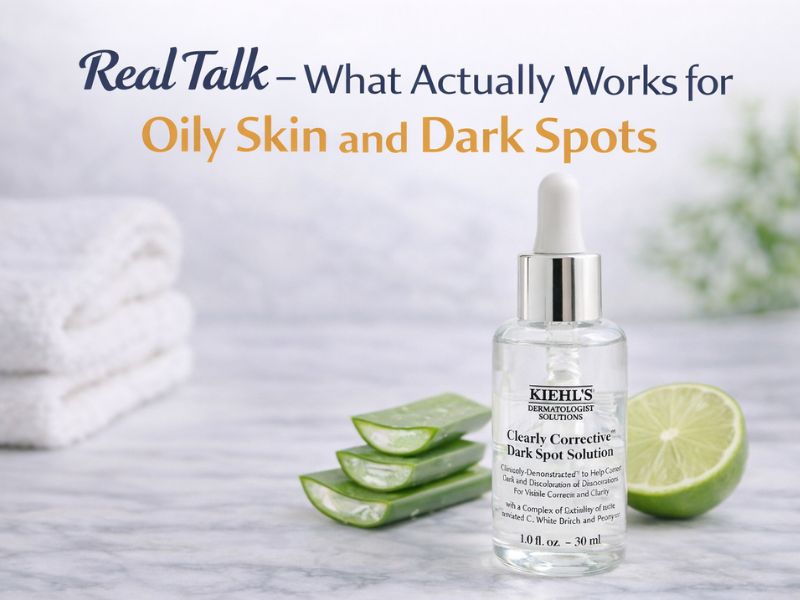
From real-life experience, no serum works overnight. Most of these products take at least 3–6 weeks to show visible results. The biggest mistake people make is switching products too quickly.
Stick to one serum, stay consistent, and always use sunscreen—otherwise dark spots won’t fade properly.
Conclusion
Choosing the best serum for oily skin and dark spots doesn’t have to be complicated. The key is to focus on proven ingredients like niacinamide, Vitamin C, salicylic acid, and alpha arbutin, which help control excess oil, unclog pores, and reduce pigmentation over time.
By selecting a non-comedogenic serum that suits your skin type and using it consistently, you can achieve clearer, smoother, and more balanced skin. Remember, skincare is not about quick fixes—it’s about choosing the right products and staying consistent.
Final Thoughts (From Experience)
From real-life experience, the biggest mistake most people make is trying too many products at once. I’ve personally seen better results by sticking to one good serum and giving it time to work.
If you have oily or acne-prone skin, always go for lightweight formulas and keep your routine simple. And most importantly—never skip sunscreen, because without it, dark spots won’t fade properly, no matter how good your serum is. Stay consistent, be patient, and your skin will improve over time.
FAQs: Best Serum for Oily Skin and Dark Spots
Is serum good for oily skin?
Yes, especially when using lightweight, non-comedogenic formulas. They help control oil, prevent acne, and improve skin texture.
How long does it take for a serum to work on dark spots?
Most serums take around 3 to 6 weeks of regular use to show visible improvement in dark spots and skin texture.
Which type of serum is best for oily skin and dark spots?
The best serums for oily skin and dark spots are those that help control excess oil, prevent breakouts, and fade pigmentation. Look for lightweight, non-comedogenic formulas with proven ingredients like niacinamide, salicylic acid, and zinc.
Top recommended types include:
- 10% Niacinamide Serum → helps reduce oil, minimize pores, and fade dark spots
- Zinc-based Serum (with Green Tea) → controls sebum and soothes acne-prone skin
- 2% Salicylic Acid Serum → unclogs pores, prevents breakouts, and improves skin texture
For best results, use consistently and always apply sunscreen during the day to prevent dark spots from worsening.
Which serum is best for oily skin and large pores?
Niacinamide serums reduce oil and tighten pores, while salicylic acid serums deeply clean pores and prevent breakouts—making them the best choices for oily skin with large pores.
What serum can remove dark spots?
The best serum for dark spots is one with Vitamin C, niacinamide, or alpha arbutin, as these ingredients help reduce pigmentation and brighten skin tone over time.
What are the top 5 face serums?
The top 5 face serums are typically Vitamin C serum (brightening), niacinamide serum (oil control), hyaluronic acid serum (hydration), retinol serum (anti-aging), and salicylic acid serum (acne control)—each targeting different skin concerns for healthier skin.
Can serum remove dark spots permanently?
Serums can significantly fade dark spots, but results depend on consistency and sun protection. Without sunscreen, dark spots can return even after improvement.
Is niacinamide good for oily skin and acne?
Yes, niacinamide is one of the best ingredients for oily and acne-prone skin. It helps control oil production, reduce pores, and fade dark spots.
Can I use Vitamin C serum on oily skin?
Yes, lightweight and oil-free Vitamin C serums are great for oily skin. They help brighten skin and reduce pigmentation without clogging pores.
Q: Can I use multiple serums at once?
Yes, but limit to 1–2 per routine. Use vitamin C in the morning and retinol or acne treatments at night.
Should I use serum daily for dark spots?
Yes, most serums are safe for daily use. Consistency is key to achieving better and faster results.
Which serum is best for acne-prone skin?
A non-comedogenic serum with niacinamide or salicylic acid works best for acne-prone skin and oil control.